Looking The Part: Marketing Musts For A Flawless First Impression

Marketing takes many forms, especially in this day and age. Although your business may utilize several different techniques to try and attract buyers and clients, there should be one shared goal. Every method you use should play a part in bringing people in and driving sales. To do this, you have to create the right impression, and this is where the relationship between branding and marketing becomes crucial. If you’re eager to improve your image or ensure you make the right impression every time, here are some tips to help you look the part.

Branding basics

Your brand is basically your identity. It’s what sets you apart from other companies and makes your business instantly recognizable. If you’re a startup or you’re planning a rebrand, think carefully about the message you want to portray and don’t rush into making decisions when it comes to designing logos or coming up with names or straplines. If you have a strong brand, this will make your product range more appealing and encourage consumers to buy from you over and over again. Ensure that any packaging you design, merchandise you sell or any form of equipment or clothing you use, such as a fleet of vans or staff uniform, bears your logo and brand name with pride.
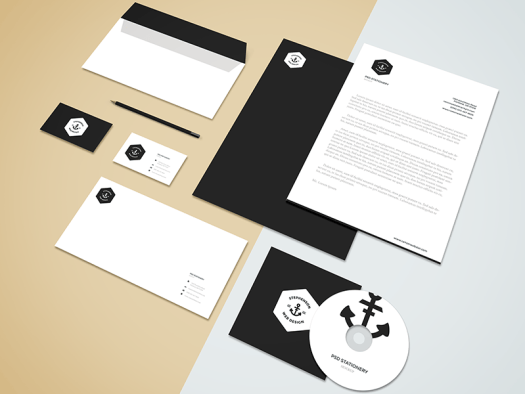
Image credit https://graphberry.deviantart.com/art/Freebie-Branding-Stationery-Mockup-520570898

Your address

This may not seem like the most obvious requirement for marketing success, but consider how you would feel as a client if you were shopping around for a service and you were comparing companies based in different cities or suburbs. Would you be particularly impressed with exclusive addresses and could a postal or zip code sway you in the decision-making process? It’s no secret that renting office space in high-performing financial districts is pricey, but there are ways of enjoying the perks of a desirable address without the fees. If you’re on the hunt for a reliable virtual office- yourvirtualofficeLondon.co.uk is worth a look. Renting virtual office space could improve your professional image and make you a more trustworthy and appealing prospect for potential clients.

Image via https://pixabay.com/en/canary-wharf-london-canary-wharf-1145616/

Your role

As a business owner, you may employ a marketing team or invest money in strategies that are designed to increase sales on a daily basis. It’s important to utilize effective methods, but don’t lose sight of the value of your role and that of the people you employ when it comes to promoting your business. You may have an active role, for example, pitching to buyers. If this is the case, those buyers are going to form an impression of your business before you even open your mouth to start your presentation. Make sure you look the part and don’t be afraid to show off your passion and personality, as well as giving information about sales figures and projected pricing policies. Even if you don’t have a front of house role, it’s essential to ensure that anyone who represents your brand is aware of the impact they have on clients and customers. Take a restaurant as an example. You may have the most beautiful looking menu, a brilliant website and an incredible social media marketing campaign up and running, but if a client isn’t impressed with the service on the night, they may never return. As the boss, you should always set a good example and think about how your business and your team look from an outsider’s perspective. For more useful information,  take a moment to read this article https://www.forbes.com/sites/carminegallo/2016/08/27/why-you-should-dress-25-percent-better-than-everyone-in-the-office/#1d8f31f3409d.

Image from https://pixabay.com/en/business-suit-business-man-690048/

Getting your online image right

A growing number of businesses employ online marketing methods to drive sales, and it’s so important that you create the right image online. Make sure the sites and platforms you use are relevant, create content that is engaging and appealing to your target market and don’t be lax with design. Did you know that more than 55 percent of users spend less than 15 seconds on a web page? You have to impress from the outset, and if you can’t do this, there’s every chance your customer will lose interest. Make sure your website is visually appealing, and that it looks professional and stylish. It should also be easy to use. People don’t have time or patience online, so if you can’t enable your users to achieve everything they need to in seconds, you may lose out to competitors.
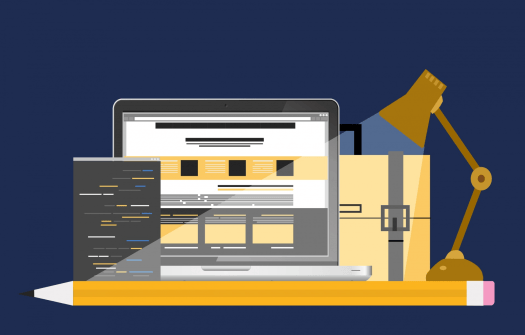
Image by http://www.publicdomainpictures.net/view-image.php?image=184074&picture=website-design-build-amp-service

These days, we tend to think about marketing as pushing leaflets through doors, sending out email chains or posting on social media, but there’s so much more to modern marketing than getting people to read an advert or article. One of the most important aims of marketing, especially for startups, is to make a good first impression. It takes seconds for the human brain to formulate opinions and ideas, and you need to make a splash straight away. Hopefully, this guide has given you some helpful suggestions to create a strong brand, lead from the front, and ensure people are talking about you for all the right reasons.
5 Ways To Use Metrics In Marketing

Image Source

Is your business using analytics? Companies are now processing big amounts of data to help make their business more fast and efficient. This is known as analytics or ‘metrics’. One trade that can particularly benefit from this is marketing. Here are just a few ways that you could be using metrics to boost your marketing techniques.

Control your online traffic

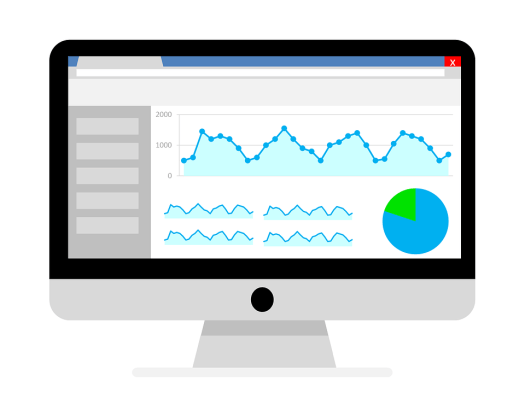
Metrics can be used to gauge who is visiting your company website, at what times and from which source they came. This can give you a better idea of your audience and can allow you to generate more online content tailored to these people’s interests. This could include blog posts catered to a certain age group or posting content during peak times. You can also see where visitors are coming from and place online ads in these types of places.

If your website doesn’t already give insights, you can install a Google Analytics plug-in on your website to enable this. This guide to Google Analytics is useful for any beginners.

Tailor new marketing campaigns

By looking at metrics of who is visiting your website and who is buying your product, you can also create more tailored marketing campaigns. You may be able to cut out marketing to certain groups and focus on the age groups or types of business that are most likely to turn into leads.

Make software perform better

If you’ve created your own software such as an app, metrics may also come in handy for ensuring that your software is running at its best performance. This ASP.NET performance monitoring guide can advise you on what to look for when studying performance metrics. From these metrics you can make tweaks that ensure your software is running as fast and bug-free as possible.

Fix up your finances

Financial metrics can stop you from spending as much money in certain areas of your business, telling you where best to make cuts to meet your budget. In the marketing sector, you may be able to use these to stop marketing campaigns that haven’t worked or adjust prices charged to clients based on marketing campaigns that have worked. Many forms of accounting software now provide analytics to help you budget better.

Improve team organisation

Metrics can also allow you to better organise your team from using specific data on your employees. You may find that somebody is better at sales calls during a certain period of the week and therefore organise your office so that they are always making sales calls at this time. You may find someone is able to write press releases at a quicker rate or gets fewer pieces of negative feedback from clients checking the press release. Putting this person in a writing role might positively impact your business. It’s possible to collect too much data from your employees and micromanage them so bear this in mind so that you don’t go overboard and irritate your workforce.

How To Become A Marketing Expert In Your Field Of Industry

Image Credit

The most fascinating thing about marketing is that it involves venturing down a never ending path of learning. With new technologies and methodologies emerging all the time to enable business leaders to get their messages across to their target audiences, it’s vital to stay ahead of the field and make it a point of business to be at the forefront of the marketing frontier.

The industry that you are a specialist in will dictate the type of marketing that you utilize most often. You could exhaust the millennial social media campaigning, high-quality content marketing through blogs or good old fashioned print advertising. As an ambitious professional, you’re keen to stay on top of your game and become a leading marketing expert.

Get Clued Up

One of the most effective ways to become a guru in marketing is to read, read, read and read a little more. You need to be a proactive learner and relish every opportunity you have to test out a new marketing technique, read up on an original case study and analyze marketing statistics. You may want to consider embarking on an organizational leadership online course to aid your professional development. This would give you an exceptional overview of strategic decision making, thought leadership and will allow you to think on a more global scale. By seeing the bigger picture, you’ll be able to implement more astute marketing campaigns to benefit your business.

Image Credit

Find A Mentor

The chances are that there is somebody within your current company or someone you have worked with in the past who is a highly successful marketing professional. You may even want to contact someone from the world of academia who is a valued contact of yours. Ask if you can pick their brains about business and strategy. Even better, inquire if they might be interested in becoming your mentor. At the very least they will be flattered that you think so highly of them and, like most experts, will be more than happy to pass on their knowledge to somebody who is so eager to learn.

The Twenty First Century

The Internet is still only fulfilling an iota of its potential. What began as Geocities static web pages have flourished into dynamic, interactive and SEO laden content that enable companies to market themselves across the globe. Ensure that you place a huge emphasis of your time keeping abreast of technological advancements that aid marketing and ensure that you can put new strategies into practice with your own company.

Becoming an expert in any field is not an easy task. It requires drive, ambition and a lot of hard work and study to understand the ins and outs of marketing. However, there is nothing better than leading presentations and workshops at some of the world’s leading conglomerates because you are recognized as the go-to marketing expert. If you’re willing to put in the graft, undertake a qualification and remain at the pinnacle of marketing research, you can become an expert in your chosen discipline.

Tips on How to Make a Smooth Transition to CRM

Customer relationship management (CRM) software enables your business to manage its interactions and relationships with customers. This can in turn improve processes like marketing, customer service and sales management. Unfortunately, making the switch from a traditional customer management system to CRM is not easy. Here are six tips that can help you make a smooth transition.

Make the CRM Software User-Friendly

The main objective of CRM is to boost efficiency within the company. This means you should always look for a tool that will answer your needs easily whenever you need it to do so. Avoid something that is complex for you and the workers. Instead, go for a tool that is intuitive and practical. The workers should not have a hard time using it.


Understand the Benefits

Many employees will be surprisingly skeptical and afraid to use the new CRM software. One effective way to help them get used to it is by explaining how the software will benefit the company. This involves showing them how it will improve their daily work routines, speed up basic tasks and increase productivity. Make sure you highlight tangible benefits to convince them. For more information on how a CRM can benefit your business, visit https://www.salesforce.com/eu/company/news-press/news/.

Come Up With a Training Program

Organize a session with your staff to teach and help them understand the software. You can use a representative from the vendor or someone who has a lot of experience with CRM tools to train them. Let the person teach them about the features of the software, how to use it as well as how to implement it. He can walk them through the interface of the software and even engage them in a hands-on demonstration. Typically, the staff will learn the basics in one or two sessions.

Update Everyone

You should keep everyone in the company informed about the switch with constant updates. The updates may involve sending weekly newsletters via email to tell them what stage of transition the company is in and what they should expect in the future. You can also hire someone to engage them on a regular basis and help employees who need further assistance.

Look for Feedback

There is no way you can know whether the CRM tool is working if you don’t accept feedback from the employees. Allow the employees to constructively provide feedback, whether they are negative or positive. Doing so will help you know where everyone is and enable you to make decisions on areas that need correction. If you get constant complaints, then you need to take necessary measures to address the challenge before it becomes a major problem.

Test and Change

Lastly, it is very important to use some form of analytics to assess how well the CRM tool is working. This largely depends on the software you are using, but your company must have measurable statistical information to know the progress of the transition. After that, you can know which adjustments you need to make to maximize its usage.

The objective of a CRM software is to streamline business processes, not to create confusion. The tips discussed above will ensure you have a transition devoid of unnecessary complications and work delays.